Fall Lawn Care Prep: What Tri-Cities Homeowners Should Do Before the First Frost
The grass is green, the sprinklers are running, and summer's heat has finally backed off.
September 18, 2026 · 5 min read
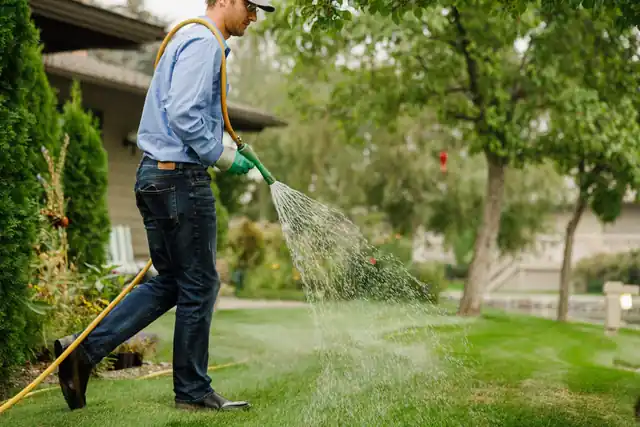
Your lawn still looks decent. The grass is green, the sprinklers are running, and summer's heat has finally backed off. But if you live in Kennewick, Richland, Pasco, or anywhere in the Tri-Cities area, you know what's coming. The first frost doesn't announce itself far in advance, and in Central Washington's high desert climate, it doesn't have to. One hard freeze can catch an unprepared lawn off guard, and the damage shows up the following spring when you're wondering why your grass is patchy, slow to green up, or overrun with weeds.
The good news is that fall is actually one of the most productive times of year to invest in your lawn. There's a window between the end of summer stress and the first hard freeze where three specific tasks make a real difference: fertilization, weed control, and sprinkler winterization. Get these done at the right time, and your lawn goes into winter in the best possible shape.
In this post, you'll learn:
- Why fall lawn care matters more in the Tri-Cities than in milder climates
- When and why to apply a fall fertilizer
- How fall weed control sets you up for a cleaner spring
- What sprinkler winterization involves and why timing is everything
Why Fall Lawn Care Matters More in the Tri-Cities
Central Washington's climate is not forgiving. Summers here are hot and dry, which puts real stress on cool-season grasses like Kentucky bluegrass and tall fescue that are common in Tri-Cities yards. By the time September arrives, many lawns are already carrying some stress from the season. Then the temperatures drop, and they drop fast.
The Tri-Cities area typically sees its first frost in mid-to-late October, though that window can shift earlier in some years. That gives homeowners a shorter runway for effective fall treatment than you'd have in a milder Pacific Northwest climate like Portland or Seattle. Grass that goes into winter nutrient-depleted or stressed has a harder time recovering in spring. Weeds that go untreated in fall come back stronger. Sprinkler lines that aren't blown out before the freeze can crack, leaving you with a repair bill before you've even turned the system back on.
The fall window is real, and it's shorter than most people think.
Step 1: Fall Fertilization in Kennewick and the Tri-Cities
A late-season fertilizer application is one of the highest-return things you can do for your lawn. Cool-season grasses use fall to build root mass, storing nutrients they'll draw on to green up in spring. A nitrogen-rich fall fertilizer feeds that process directly.
Timing is the part most homeowners get wrong. Apply too early, while temperatures are still warm, and you push top growth right before a frost. Apply too late, after the ground has cooled significantly, and the grass can't absorb the nutrients effectively. The target window for fall lawn fertilization in the Tri-Cities is generally mid-September through October, depending on conditions that year.
A professional application also differs from a bag picked up at a hardware store in ways that matter. Product quality, application rate, and even coverage across the lawn all affect how well the treatment works. Uneven application leaves thin spots. Too much nitrogen in the wrong formulation can do more harm than good. Colonial Lawn & Garden's fertilizer program is calibrated for Central Washington soil conditions and the grass types common in this area, so you're not guessing at the rate or the timing.
Step 2: Fall Weed Control
Most homeowners think of weed control as a spring and summer job. Fall is actually the better time to treat broadleaf weeds like dandelions, clover, and thistle. In the fall, these weeds are pulling energy down into their root systems to prepare for winter. That makes them more receptive to herbicide treatments, which travel down into the root and prevent the plant from coming back.
Weeds treated in fall are significantly less likely to return the following spring. Skip fall weed control, and you're not just dealing with the weeds that survived winter. You're dealing with the seeds they dropped before the freeze. The spring battle is harder and more expensive than the fall prevention.
Colonial Lawn & Garden's weed control service addresses the broadleaf weeds common in Tri-Cities lawns, timed to when treatment is most effective. It pairs naturally with the fall fertilization application, so both tasks get handled in the same service window.
Step 3: Winterizing Your Sprinkler System
Water expands when it freezes. Any water left sitting in your irrigation lines when temperatures drop below 32 degrees is a liability. Cracked pipes, broken sprinkler heads, and damaged valves are common results, and none of them are cheap to fix in the spring.
A professional sprinkler blowout uses compressed air to push water out of every zone in the system, including the lateral lines and heads that gravity alone won't drain. It's a methodical process, and it requires the right equipment and knowledge of your system's layout to do correctly.
DIY attempts often leave water in the lines, either because the compressor isn't powerful enough, the zones aren't cycled properly, or the homeowner doesn't know where all the heads are. It's one of those jobs where the cost of getting it wrong is higher than the cost of having it done right.
Schedule your sprinkler winterization in the Tri-Cities before nighttime temperatures start consistently dropping below freezing. In most years, that means having it done by mid-October at the latest.
A Few Other Fall Lawn Tips
Keep mowing until the grass actually stops growing, but raise your mowing height slightly going into fall. Cutting too short before winter leaves the grass more vulnerable to frost damage. Aim to go into the dormant season with a little extra blade length.
Leaf removal matters more than most people give it credit for. A heavy layer of leaves left on the lawn through winter blocks light, traps moisture, and creates conditions where disease and mold can take hold. Clear them before the first hard freeze.
If your lawn has compaction issues, fall aeration can improve how well water and nutrients reach the root zone over winter. Ask Colonial Lawn & Garden whether aeration makes sense for your specific lawn this season.
Why Tri-Cities Homeowners Trust Colonial Lawn & Garden
Colonial Lawn & Garden is a Central Washington company. The team understands Tri-Cities soil, the local grass types, and the specific timing that makes fall treatments effective in this climate. That's not something you get from a national chain or a generic lawn care schedule.
Fertilization, weed control, and sprinkler winterization can all be handled through Colonial, which means you're not coordinating multiple vendors or trying to figure out the right sequence on your own. The timing is handled for you, based on local conditions, not a calendar that was built for a different part of the country.
Contact Colonial Lawn & Garden to schedule your fall fertilization, weed control, or sprinkler winterization before the season fills up. You can call the Tri-Cities office at (509) 371-1655.
Colonial Lawn & Garden, (509) 966-1655
Call (509) 966-1655More articles
How to Keep Your Tri-Cities Lawn Healthy Through the Summer Heat
The thermometer hit 103 yesterday and it is on its way to 105 today.
5 Signs Your Tri-Cities Lawn Needs a Professional Pest Control Treatment
Brown patches, visible insects, and fast-spreading damage are signs your Tri-Cities lawn may need a professional pest control treatment.