5 Common Lawn Problems and How to Treat Them Effectively
The pride of nearly every homeowner is a lush, vibrant lawn that keeps the neighbors in awe.
March 5, 2024 · 4 min read
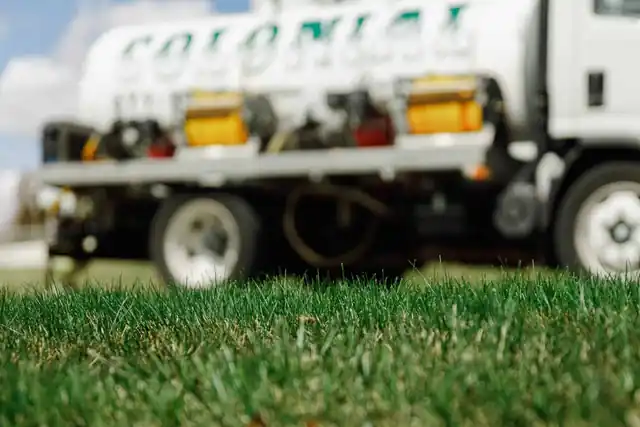
The pride of nearly every homeowner is a lush, vibrant lawn that keeps the neighbors in awe. Unfortunately, achieving and maintaining this requires more than occasional watering and mowing. To keep up with regular lawn care, it is vital to recognize common lawn problems and how to implement the proper lawn treatment. Let's dive into how to do it.
5 Common Lawn Problems & Lawn Treatments
A healthy lawn is often attacked by various issues throughout the year. Recognizing these problems early and knowing how to address them can save both your lawn and your patience. Here are five common problems and effective lawn treatments for each.
#1: Weeds
Weeds will grow as fast as your grass. Here in the Tri-Cities, dandelions, clover, bindweed (morning glory), plantain, mallow, goat head, oxalis, and spurge thrive in nutrient-rich soils, often out-competing the grass. Rather than spending all your time on your hands and knees plucking out weeds, you can take an easier course of action.
Solution: We recommend using high-quality, eco-friendly herbicide lawn treatments to control weed growth. Applying a pre-emergent herbicide in early spring can prevent seeds from germinating, while post-emergent herbicides can tackle existing weeds. Plus, maintaining a healthy, thick lawn or utilizing non-grass alternatives can naturally suppress weed growth.
#2: Pests
If your lawn appears drought-damaged despite adequate watering, pests could be the culprits. Bugs can cause significant damage, making the grass look brown and lifeless.
Solution: Insecticides are effective but should be part of an integrated pest management strategy that includes regular lawn inspections and maintenance to prevent pest recurrence. It is vital to be extra diligent with following insecticide instructions and storing methods.
#3: Brown Patches
Brown patches are usually the result of fungal diseases like Rhizoctonia solani, affecting grass types such as tall fescue and perennial ryegrass. The ugly brown spots can quickly take your lawn from gorgeous to gross, so it is vital to act rapidly.
Solution: To combat lawn diseases, soil circulation can be improved by aerating the lawn and removing thatch. Plus, you will want to avoid fertilizing in hot, humid weather and water only in the morning so the grass can fully dry before nightfall.
#4: Soil Compaction
High foot traffic and heavy use compact your soil, reducing the space for air and water necessary for healthy root growth. This leads your lawn to become stressed and eventually weaken enough to allow weeds to grow more.
Solution: We advise that you aerate your lawn to relieve compaction, followed by overseeding to encourage denser grass growth. If possible, incorporating organic matter like compost can improve soil structure and health over time.
#5: Poor Water Drainage
Standing water and soggy areas indicate poor drainage, leading to rotting, unhealthy grass, and other lawn problems. This can occur when gutters overflow, are routed incorrectly, or if your property has not been adequately graded to encourage water to flow away.
Solution: You can address drainage issues by leveling out low spots. You may want to consider the installation of French drains or other landscaping solutions that promote water movement away from your lawn.
Tackling these common issues not only requires the right approach but also consistency in care. Next, we'll explore regular lawn maintenance tips to prevent these problems from taking root in the first place.
Maintenance Tips to Prevent Lawn Problems
Creating a healthy lawn isn't about reacting to problems as they happen, but preventing them from occurring in the first place. Here are essential tips to ensure your lawn remains vibrant and resilient against potential issues:
- Proper Mowing: Keep your lawn at an ideal height, which varies by grass type. Mowing too short can stress the grass, making it more susceptible to weeds and diseases. Sharp mower blades make clean cuts, preventing damage and disease.
- Consistent Watering: Lawns typically need about 1 to 1.5 inches of water per week, either from rainfall or irrigation. Water deeply and infrequently to encourage deep root growth, which is more drought-resistant.
- Seasonal Fertilization: Use a fertilization schedule tailored to your lawn's specific needs and the changing seasons. Spring and fall are crucial times for fertilization, providing the nutrients necessary for growth and recovery.
- Aeration: Aerating your lawn once a year helps relieve soil compaction, allowing air, water, and nutrients to reach the root zone more effectively. This is especially important for high-traffic areas.
- Dethatching: Remove thatch, that layer of dead grass and debris, when it exceeds half an inch. Too much thatch can block water and nutrients from penetrating the soil and can harbor pests and diseases.
- Overseeding: Introducing new grass seed to your lawn can help fill in bare spots and increase turf density, making it harder for weeds to establish.
- Pest and Weed Monitoring: Regularly inspect your lawn for signs of pests and weeds. Early detection makes management much easier and less invasive.
By adhering to these maintenance tips, you can prevent many common problems from occurring, reducing the need for reactive lawn treatments. However, when issues do arise, knowing how to address them effectively can make all the difference in maintaining a lush, healthy lawn.
Reach out to Colonial Lawn & Garden for expert advice and professional lawn care services. You can call the Tri-Cities office at (509) 371-1655.
Colonial Lawn & Garden, (509) 966-1655
Call (509) 966-1655More articles
Fall Lawn Care Prep: What Tri-Cities Homeowners Should Do Before the First Frost
The grass is green, the sprinklers are running, and summer's heat has finally backed off.
How to Keep Your Tri-Cities Lawn Healthy Through the Summer Heat
The thermometer hit 103 yesterday and it is on its way to 105 today.