Common Lawn Diseases in Yakima and How to Prevent Them
Having a beautiful, lush lawn is part of the American dream, a sign of success in homeownership.
April 7, 2025 · 4 min read
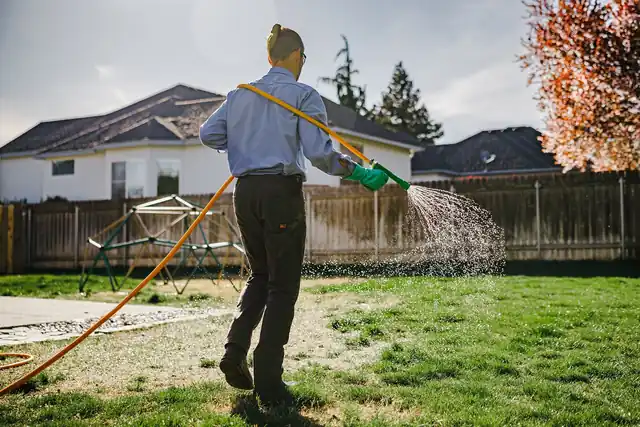
Having a beautiful, lush lawn is part of the American dream, a sign of success in homeownership. Unfortunately, lawn diseases can cripple one's property quickly. As your local lawn care Yakima team, we are here to help you learn about the most common Yakima lawn diseases, how to detect their early signs, and prevention methods to keep your lawn healthy and protected all year long.
Common Yakima Lawn Diseases
Here in Yakima, these are the five most common Yakima lawn diseases that plague the properties of homeowners, even those skilled in lawn care and maintenance.
#1: Red Thread
Red Thread is a type of fungus that gets its name from the thin, needle-like strands that extend from the glass blades. Red Thread thrives in moist conditions, particularly when a lawn suffers from poor drainage, a lack of nutrients, or is inadequately maintained.
The first signs of Red Thread that will appear are circular or irregularly shaped patches of blighted turf with a red or pink hue.
#2: Snow Mold
Often called Snow Rot, and sometimes referred to as a Typhula blight, Snow Mold is a lawn disease caused by the fungus Typhula incarnata. It occurs when snow cover or wet leaves remain on a lawn for too long, resulting in patches of blighted turf and further mold issues come spring.
Unfortunately, Snow Mold often goes unnoticed until springtime, as homeowners have to wait for the snow to fully melt away. Then, it will present as crusty tan or white patches of matted or dead grass, almost looking like paper mâché.
#3: Brown Patch
Also known as Anthracnose, Brown Patch is a fungal disease often occurring during hot, dry seasonal periods, particularly affecting cool-season grasses. The disease presents as irregular, brown patches on the grass, making it look patchy and unattractive.
The first warning signs of Brown Patch are when circular or oblong patterns of light yellow discoloration appear on the grass. Eventually, they will turn orange, then tan, then brown, and then slowly spread outward.
#4: Dollar Spot
Dollar Spot is a lawn disease that primarily affects Bermuda, Kentucky bluegrass, and zoysia grass types when exposed to wet, humid conditions. This common Yakima lawn disease is mainly attributed to improper lawn maintenance, especially when homeowners over-water or water too late in the day. The disease presents as small tan patches that can get up to 12 inches in diameter.
The first red flags of Dollar Spot are small brown patches with reddish-brown borders that appear to be slightly sunken into the turf.
#5: Rust Disease
Rust Disease is typically a problem from mid-summer to late fall, where the fungi presents on the lawn as though it is covered in rust. This rust is actually the spores of the disease, and, unfortunately, they can spread on the wind.
The first symptoms of the disease appear as little yellow spots on the grass blades.
Lawn Care Yakima Disease Prevention Tips
While there is no way to 100% prevent lawn diseases from affecting your lawn, you can take steps as a homeowner to minimize the chances that your lawn catches one of these costly diseases. Here is what we recommend:
Proper Mowing Practices
We advise you to check the recommendations on the length you should keep your grass type seasonally and do your best to keep it within that range. Additionally, we suggest you avoid cutting grass too short to reduce stress.
Regular Aeration & Dethatching
When a lawn is well-loved, it can become compacted over time, minimizing the amount of nutrients it can access. Regular aeration and dethatching help to promote air circulation, let in more, and reduce the chances of fungal growth.
Balanced Watering Schedule
Finding the proper watering schedule takes time and practice, as it will vary throughout the year depending on the season and specific environmental conditions the property is experiencing. The easiest things you can do are water early in the morning, avoid overwatering, and research techniques to promote deep root growth for your specific grass type.
Fertilization & Soil Health
Every lawn needs a little extra help to keep up its health. We suggest performing a soil health test to determine what nutrients it lacks before adding fertilizer randomly. Once you have an accurate assessment of your soil health, you will want to strengthen the grass with the proper nutrients at the right time of year. For example, in the winter you will want to use a fertilizer rich in phosphorous and potassium.
Seasonal Lawn Treatments
Lastly, you will want to care for your lawn by the season, as each new environmental condition will affect your lawn in a different way. Especially here in Yakima, our summers and winters can have a detrimental effect on lawns if homeowners do not take proper preventative care for these high-risk seasons. From leaf removal in autumn to debris clearing in spring, you will want to craft a seasonal lawn maintenance schedule to aid in preventing Yakima lawn diseases.
For help with your own yard, call the Yakima office at (509) 966-1655.
Colonial Lawn & Garden, (509) 966-1655
Call (509) 966-1655More articles
Fall Lawn Care Prep: What Tri-Cities Homeowners Should Do Before the First Frost
The grass is green, the sprinklers are running, and summer's heat has finally backed off.
How to Keep Your Tri-Cities Lawn Healthy Through the Summer Heat
The thermometer hit 103 yesterday and it is on its way to 105 today.