How to Prepare Your Lawn for Winter
The sunshine and mild to warm temperatures in spring and summer inspire us to pay close attention to our lawns.
October 19, 2022 · 4 min read
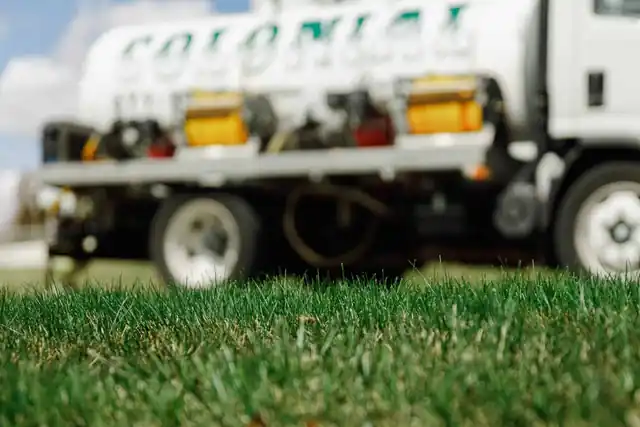
The sunshine and mild to warm temperatures in spring and summer inspire us to pay close attention to our lawns. We fertilize and water the grass to help ensure it is lush and beautiful. We may even take pride in knowing that our lawn looks nicer than our neighbors' lawns.
But now, as we are well into fall, with winter on the horizon, we could be lulled into thinking that our lawn doesn't require any maintenance and care. After all, the inclination is that with cold, icy weather and cloudy skies, the lawn will be dormant and magically rise up and grow again once spring rolls around.
Did you know that leaves that haven't been raked can accumulate and suffocate your lawn and cause damage? You might not know that without the proper nutrients administered in the fall, your grass won't be as likely to survive the harsh weather of winter.
This is why winter lawn preparation is so important. If you want to keep your lawn healthy through the frigid months of winter, then we recommend you take the following eight steps to promote a healthy and vibrant lawn.
Step 1: Mow the Grass Low
Winter lawn preparation begins by mowing your grass low to the ground. We recommend that you lower the cutting deck to ease the lawn into an overall lower height. If your grass is more than three inches tall, take it down incrementally over the course of a few mowings.
Taking this measure will prevent your lawn from being infested by unwanted pests. It will also help keep your lawn free of disease.
Step 2: Rake Leaves
You will want to make sure you don't allow leaves to accumulate on your lawn. You don't want your lawn to suffocate. Additionally, leaves could damage the grass blades. An abundance of leaves will also prevent your grass from growing back strong next spring.
Additionally, too many leaves covering your lawn could promote snow mold diseases.
Step 3: Aerate
Fall aeration is an ideal way to prepare your lawn for winter dormancy. This method of winter lawn preparation will ensure a deep penetration of nutrients. This allows your grass to store sufficient energy during the winter months.
Ideally, you want to aerate and fertilize your lawn before the initial frost shocks your grass. The fertilizer will be able to make it down the deep aerated pathways to protect the roots during the severe weather of winter.
The stakes are high for aerating your lawn. Without aeration, your grass will slowly thin and eventually die, due to the lack of the water, oxygen, and nutrients that aren't able to reach all the roots of your lawn.
Step 4: Top-Dress
One key aspect of winter lawn preparation is applying a top dressing. Make sure to get sandy soil mix, and spread it around your lawn and brush the top dressing into your aeration holes using a broom. The dressing is likely to gradually disappear as you work it into your grass.
Step 5: Fertilize
In order for your lawn to receive ample nutrients in preparation for the winter, don't forget to fertilize. You might consider using a phosphorous fertilizer, as it will best stimulate root growth.
If you are using a rotary spreader, make sure you don't dump too much fertilizer in one area. Open or close the hopper just when the spreader is in motion.
Step 6: Overseed
Overseeding in the fall will give your lawn a boost in the spring by preventing excessive loss of grass in the winter.
Begin by filling a spreader with seed and set its control to approximately two-thirds of the bag's recommendation. This way you can account for overlapping passes. You will want to distribute the seed over compost.
Step 7: Dethatch
Dethatching your lawn involves removing a layer of dead grass that has collected between the soil and the grass foliage. The danger for your grass is that if too much thatch has accumulated, it prevents your lawn from receiving important nutrients.
Detaching your grass is one of the most important winter lawn preparation steps. Receiving nutrients before winter is critical before your lawn prepares for hibernation. The best way to eliminate unwanted thatch is to use a mower or a thatch rake.
Step 8: Rake and Water
We suggest you mix seeds into compost with a leaf rake. The tines of the rake should be up. Water lightly, for five minutes at a time. Do this two-to-three times a day, until the seeds sprout.
Your fall lawn care regimen should include watering once a day for 15 minutes to a half hour. You'll want to mow the grass again after your lawn reaches three inches. Prepare your lawn for its winter hibernation by cutting the grass back to one-and-half inches.
For help with your own yard, call the Yakima office at (509) 966-1655 or the Tri-Cities office at (509) 371-1655.
Colonial Lawn & Garden, (509) 966-1655
Call (509) 966-1655More articles
Fall Lawn Care Prep: What Tri-Cities Homeowners Should Do Before the First Frost
The grass is green, the sprinklers are running, and summer's heat has finally backed off.
How to Keep Your Tri-Cities Lawn Healthy Through the Summer Heat
The thermometer hit 103 yesterday and it is on its way to 105 today.