Pest Control for Large Properties: Tips and Techniques from Colonial Lawn & Garden
Pest control isn't only keeping ants out of your home; it applies to every piece of property, large and small.
November 6, 2024 · 4 min read
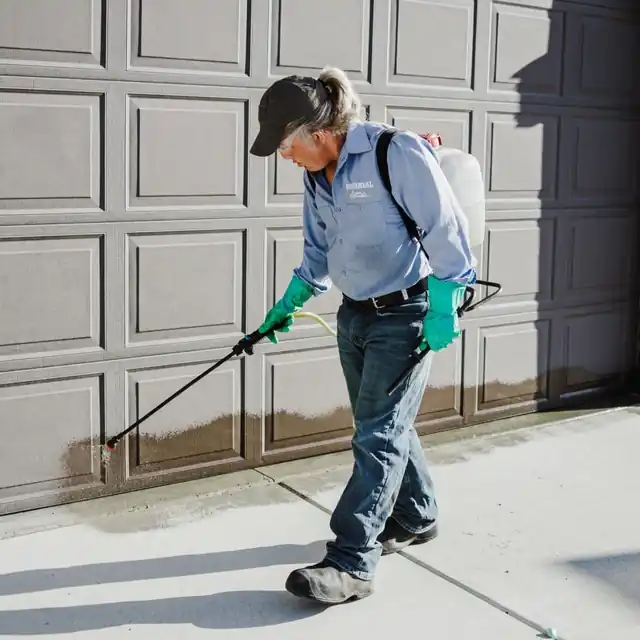
Pest control isn't only keeping ants out of your home; it applies to every piece of property, large and small. Large properties, in particular, face unique challenges as they often feature expansive green spaces where pests can cause trouble. At Colonial Lawn & Garden, we offer customized lawn care and pest control solutions for large properties. So, suppose you own or manage large properties, including estates, commercial properties, farms, and large residential lots, and are looking for reliable, effective pest control solutions. In that case, these practical tips and techniques will help you keep pests under control.
Identifying Common Pests on Large Properties
Pests, large and small, can all be found on large properties, including insects, rodents, and wildlife. Let's take a quick look at each category to give you an idea of the kind of pests we mean.
The Washington Department of Health reports that the most common pests in Washington include bed bugs, stinging insects, biting flies, fleas, Japanese beetles, lice, mosquitos, spiders, spongy moths, and ticks. Other insects that are typically explicitly found in the Tri-Cities also include termites, fire ants, powderpost beetles, and other small insects.
When speaking especially about rodents as pests in Washington, property owners often find challenges with a variety of species of mice and rats, including deer mice, white-footed mice, house mice, Norway rats, roof rats, and wood rats. Then, depending on your specific location, you may even come into trouble with squirrels!
However, pests don't just include insects and rodents; they can consist of other wildlife that regularly intrude and disturb a property. These animals are highly location-dependent but can include rabbits, raccoons, moles, deer, and even some birds and reptiles.
While each property will face different pest challenges, one of the best actions you can take as an owner or manager is to learn how to identify the various types of wildlife that are likely to disturb your property.
Practical Tips for Large Property Pest Control
The size and layout of large properties can make pest control more challenging; thus, it requires a comprehensive and strategic approach to ensure that every available action is taken to provide the utmost protection. Here are three tips we suggest you start with.
Regular Inspections
Regular property inspections increase the likelihood of early detection of pests. First, we recommend you start by creating and implementing a routine for property-wide pest assessments that can be consistently executed. As a part of this routine, it is vital to include comprehensive documentation (including pictures) to track pest activity and pest control management strategies. Not only will this help identify potential trends, but it will demonstrate the effectiveness of actions and treatments.
Proper Lawn Care
Next, it is vital to maintain a healthy landscape with proper lawn care. This can be achieved by regularly mowing grass to the appropriate height, trimming overgrown plants, and clearing debris. Doing so will help prevent pests from nesting or thriving on the property. This is especially important if your property features green spaces, such as a communal garden or shared green space.
Sealing Entry Points
Lastly, you want to be sure to identify and seal off potential entry points in buildings, sheds, and other structures where pests may try to enter. Keep in mind that pests can slip through the tiniest of holes, cracks, and gaps in doors, windows, and walls. Properly sealing entry points may require replacing damaged material, installing weather stripping (like door sweeps), or sealing the gaps around utility penetrations with mesh or caulk.
Effective Techniques for Controlling Large Property Pests
Managing a large property goes beyond simple lawn care and pest control. To truly achieve the greatest effectiveness, it is vital to employ Integrated Pest Management (IPM) strategies. The methodology behind the IPM approach is to use a combination of biological, mechanical, and chemical methods to control pest populations sustainably.
First, you will want to implement the lawn care strategies mentioned above to prevent pests from creating nests. However, you can also utilize Pest-Repellent Landscaping. This is the implementation of strategic planting using pest-repellent plants to aid in deterring pests from certain areas of the property. For example, catmint repels aphids, garlic deters rabbits, and tansy deters ants.
After natural remedies, you can come in with targeted treatments like perimeter pest control. At Colonial Lawn & Garden, we provide our clients with targeted pest control treatments for specific areas of the property to minimize environmental impact and maximize effectiveness.
Essentially, this comprehensive approach prevents issues from becoming problems by utilizing natural and human-made solutions in tandem.
For help with your own yard, call the Tri-Cities office at (509) 371-1655.
Colonial Lawn & Garden, (509) 966-1655
Call (509) 966-1655More articles
Fall Lawn Care Prep: What Tri-Cities Homeowners Should Do Before the First Frost
The grass is green, the sprinklers are running, and summer's heat has finally backed off.
How to Keep Your Tri-Cities Lawn Healthy Through the Summer Heat
The thermometer hit 103 yesterday and it is on its way to 105 today.