Protecting Your Lawn from Winter Pests and Diseases
Winter lawn care becomes paramount for homeowners and garden enthusiasts as cold-weather months roll in.
December 4, 2023 · 4 min read
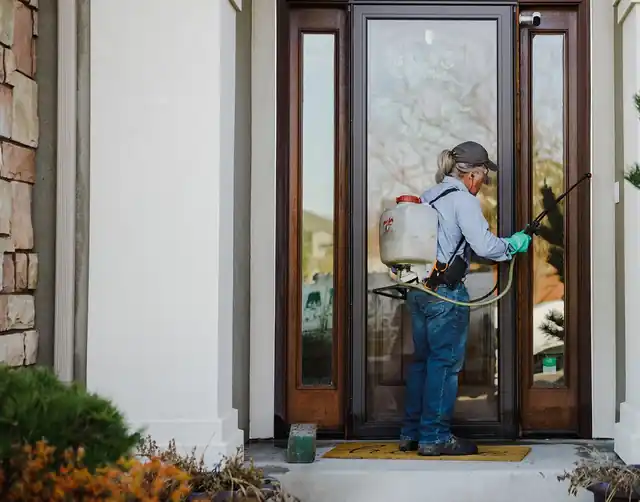
Winter lawn care becomes paramount for homeowners and garden enthusiasts as cold-weather months roll in. Often overlooked, winter lawn protection is crucial in ensuring your lawn remains healthy and vibrant come spring. The cold season brings unique challenges, including persistent pests and specific lawn diseases, that can wreak havoc on your lawn if left unaddressed. Understanding and implementing effective winter lawn care strategies is about maintaining your lawn's current beauty and safeguarding its future health. This article aims to guide you through essential steps and measures for optimal winter lawn protection, an essential aspect of comprehensive lawn maintenance.
Recognizing Winter Lawn Pests
Winter doesn't just bring a drop in temperature; it also becomes a crucial time for winter lawn protection, especially against pests seeking refuge in your lawn. Your yard could inadvertently become a haven for various pests due to its inviting conditions like dense mulch layers, leaf piles, tall grass, and thatch. These areas provide the perfect shelter for pests, offering them food, water, and warmth during the colder months. Here are six common winter lawn pests to be aware of:
- Grubs: Lurking beneath the soil, grubs bide their time during winter, only to emerge in spring, damaging grassroots and attracting predators like moles and skunks, which further harm your lawn.
- Stink Bugs: More active in warmer weather, stink bugs still seek shelter in homes during winter.
- Fleas and Ticks: Known for their activity in warmer months, fleas and ticks can survive winter in brush and leaves.
- Chinch Bugs: Tough enough to withstand winter, chinch bugs damage grass by sucking out its juices and injecting harmful substances.
- Spiders: While beneficial in controlling other pests, some spiders can be unwelcome or even dangerous.
Understanding and identifying these common winter pests is the first step in effective winter lawn care. Taking appropriate measures to deter these pests can help maintain the health and beauty of your lawn throughout the winter months.
Identifying Winter Lawn Diseases
Winter lawn care also involves vigilance against various lawn diseases that can take hold during the colder months. Diseases like snow mold, winter desiccation, and others can severely impact the health and appearance of your lawn come spring. Understanding these diseases and their symptoms is crucial for timely intervention and effective management. Common winter lawn diseases include:
- Brown Spot (aka Anthracnose): This fungal disease leads to irregular brown patches, often arising in hot, dry periods.
- Dollar Spot: Appears as small, silver-dollar-sized tan patches, especially in low-moisture conditions.
- Fairy Ring: This disease presents as circular arcs of mushrooms, causing uneven grass growth.
- Necrotic Ring: Identified by rings of dead grass, it creates a doughnut pattern on your lawn.
- Powdery Mildew: Resembling a dusting of baby powder, this disease thrives in shaded areas.
- Leaf Rust: This fungus shows as colored pustules on grass blades, especially in dewy conditions.
- Fusarium Patch: Common in cool, moist conditions, it manifests as small orange patches.
Symptoms of these diseases include irregular patches of discolored grass, circular patterns of growth or death, and visible fungal growths.
Preventing Pests and Diseases with Winter Lawn Care
To ensure that your lawn makes it safely through the winter and is healthy come springtime, you must attain three critical aspects: pest control, disease prevention, and winter lawn maintenance. Let's make it easy!
Step #1: Keeping Pests at Bay during Winter
A healthy lawn is your first line of defense against winter pests. To minimize pest infestation, focus on these critical practices:
- Trim Trees and Bushes: Keep them well-trimmed and away from your home.
- Leaf and Debris Management: Regularly remove piles of leaves and other debris that can harbor pests.
- Reorganize Lawn Decor: Pick up unnecessary items and reposition play equipment away from dense brush or long grass.
Implementing these steps helps create an environment less attractive to pests, providing adequate winter lawn protection.
Step #2: Disease Prevention in Winter Lawn Care
Preventing lawn diseases in winter revolves around consistent lawn care practices:
- Regular Mowing: Maintain the recommended grass height to prevent thatch build-up, a common source of disease.
- Adequate Watering: Water early in the morning, allowing the grass to dry and reducing fungal disease risks.
- Proper Fertilization: Use the correct fertilizer type, rich in phosphorous and potassium in the winter, and the right amount to prevent disease outbreaks.
- Soil Aeration: This improves drainage and reduces compaction, which is essential in preventing diseases like Necrotic Ring.
- Routine Inspections: Regularly check for signs of disease or other detrimental factors like weeds or grubs.
- Fungicide Application: Use appropriate fungicides and consult lawn care experts for severe issues.
These practices are easy to implement and are fundamental in maintaining a disease-free lawn during winter.
Step #3: Essential Winter Lawn Care Tips
For effective lawn winterization, you will want to perform the tasks above and these final chores before the first freeze or snowfall:
- Final Mowing: Trim grass to an appropriate 2-3 inches height.
- Overseed Bare Spots: Fill in gaps to promote a dense lawn.
- Proper Watering: Hydrate your lawn before the freeze, avoiding over-saturation.
- Equipment Maintenance: Service and store lawn tools appropriately.
- Snow Removal Planning: Prepare for safe and efficient snow removal.
- Protect Fragile Plants: Use burlap or similar materials for protection.
Following these steps ensures your lawn is well-prepared for winter and emerges healthy and vibrant in spring. It can be a time-consuming checklist, and many homeowners don't have the time for it.
Colonial Lawn & Garden, (509) 966-1655
Call (509) 966-1655More articles
Fall Lawn Care Prep: What Tri-Cities Homeowners Should Do Before the First Frost
The grass is green, the sprinklers are running, and summer's heat has finally backed off.
How to Keep Your Tri-Cities Lawn Healthy Through the Summer Heat
The thermometer hit 103 yesterday and it is on its way to 105 today.