Summer Lawn Care Tips: Keeping Your Lawn Green and Healthy
Summer is the time of year when our lawns become the focal point of our homes.
August 4, 2023 · 5 min read
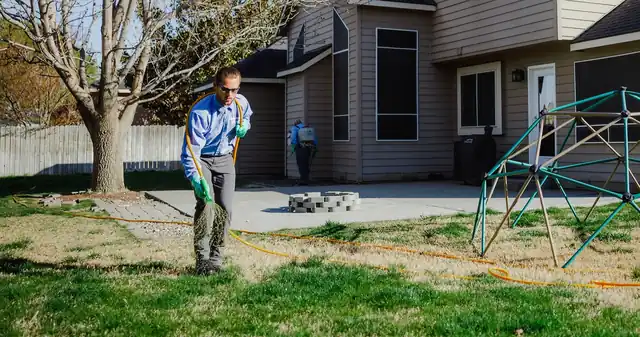
Summer is the time of year when our lawns become the focal point of our homes. A vibrant, green lawn not only increases the aesthetic value of your property but also offers a soothing retreat for family gatherings, backyard barbecues, or just relaxing on a warm evening. However, as temperatures rise and rainfall becomes less frequent, maintaining that lush lawn can become a challenge. With these expert summer lawn care tips, keeping your lawn green and healthy throughout the season will be a breeze.
Effective Watering Techniques for Keeping Your Lawn Green and Healthy
Mastering effective watering techniques is paramount to keeping your lawn green and healthy throughout the summer months. Lawns are like people; they need water to stay healthy. However, how and when you water can dramatically affect your lawn's overall health and resilience to the summer heat.
Water Deeply but Infrequently
All too often, homeowners make the mistake of light, daily watering. While it might seem like you're doing your lawn a favor, shallow watering can encourage roots to stay near the surface, making them more vulnerable to heat and drought. Instead, aim to water your lawn deeply but infrequently. This means watering your lawn with about an inch to an inch and a half of water once or twice a week, depending on your soil and grass type. This will encourage the grass roots to grow deeper into the ground, making your lawn more robust and drought-tolerant.
Water Early in the Morning
The timing of watering your lawn is just as important as how much you water. The best time to water your lawn is early in the morning, ideally between 6 a.m. and 10 a.m. Watering at this time minimizes evaporation due to lower temperatures and less wind, ensuring more water reaches the roots where it's most needed. Additionally, watering early allows the grass to dry out during the day, reducing the risk of lawn diseases that thrive in damp conditions.
Use the Right Equipment
Sprinklers can offer an easy way to water your lawn, but not all sprinklers are created equal. A rotating or oscillating sprinkler might be best for large lawns, while a stationary sprinkler can work well for smaller areas. Consider investing in a timer to ensure your property gets the right amount of water for keeping your lawn green and healthy, even if you're not there to turn off the tap.
Check Your Lawn's Moisture Levels
It's also essential to understand the moisture levels in your lawn. Pushing a screwdriver into the ground is a simple way to do this. If it goes in easily, your yard has enough moisture. If it's hard to push in, it's time to water.
Mowing Schedules and Techniques: Essential Summer Lawn Care Tips
Mowing seems like the most straightforward part of lawn care, yet the way you mow and the schedule you keep can significantly impact the overall health and appearance of your lawn. The following summer lawn care tips aim to help you master your mowing practices for a lusher, healthier lawn.
1. Don't Cut the Grass Too Short:
One of the common mistakes homeowners make is mowing their lawn too short, known as "scalping." Although it might mean mowing less frequently, it exposes the soil, leading to a greater chance of pests and lawn diseases. It also puts significant stress on the grass, making it less resilient to heat and drought. Instead, aim to leave the grass taller, about 3 to 3.5 inches. Taller grass shades the soil, reducing water evaporation and promoting deeper roots, contributing to a more drought-resistant lawn.
Keep Your Mower Blades Sharp
Sharp mower blades cut grass cleanly, whereas dull blades tear the grass. Torn grass blades have a brown appearance at the top and can make your entire lawn look brown. Torn grass is also more susceptible to pests and diseases. Regularly sharpening your mower blades ensures a clean cut and reduces the chance of lawn damage.
3. Mow Based on Grass Growth, not the Calendar:
Rather than sticking to a rigid mowing schedule, adjust your mowing frequency based on the grass growth rate. This will vary throughout the summer due to changing temperatures and rainfall levels. A good rule of thumb is to mow often enough that you're never removing more than 1/3 of the grass blade.
Mix Up Your Mowing Pattern
Avoid mowing in the same pattern each time. This can cause the grass to lean in the direction you mow and result in uneven cutting. By varying your mowing routine, you help the grass stand tall for an even cut and reduce soil compaction. Plus, if you're not already practicing grasscycling, summer is a perfect time to start. Leave the grass clippings on the lawn after you mow to return valuable nutrients back into the soil and improve lawn health.
Pest Control: Protecting Your Summer Lawn
As the temperatures rise in the summer, so do the activities of pests. Unchecked, these tiny creatures can wreak havoc on your lush green lawn. However, with proper lawn care and attention to early signs of infestation, you can keep your lawn pest-free.
Regular Property Inspections
Consistently monitor your lawn for signs of pest damage. Brown patches, wilting blades, and leaf bite marks can all indicate pest activity. Frequent inspection allows for early detection and treatment, mitigating potential extensive damage.
2. Balanced Fertilization & Use of Biological Controls:
First, over-fertilizing can lead to excessive growth, attracting certain pests. Using the correct amount of fertilizer encourages healthy growth without inviting unwanted pests. Second, we recommend using nature-friendly pest control methods, like introducing beneficial insects that prey on harmful pests. Ladybugs and praying mantises, for example, are natural predators of many lawn pests that you can easily attract to your garden.
Professional Consultation from a Lawn Expert
If you identify a potential pest problem, it's often best to consult a professional. Pest control professionals can accurately identify the pest, understand its lifecycle, and recommend the best treatment method. They have the expertise and tools to efficiently deal with the issue while ensuring your lawn's health isn't compromised.
Ready for a summer of relaxation and enjoyment with a perfect lawn setting as the backdrop? You can call the Yakima office at (509) 966-1655 or the Tri-Cities office at (509) 371-1655.
Colonial Lawn & Garden, (509) 966-1655
Call (509) 966-1655More articles
Fall Lawn Care Prep: What Tri-Cities Homeowners Should Do Before the First Frost
The grass is green, the sprinklers are running, and summer's heat has finally backed off.
How to Keep Your Tri-Cities Lawn Healthy Through the Summer Heat
The thermometer hit 103 yesterday and it is on its way to 105 today.